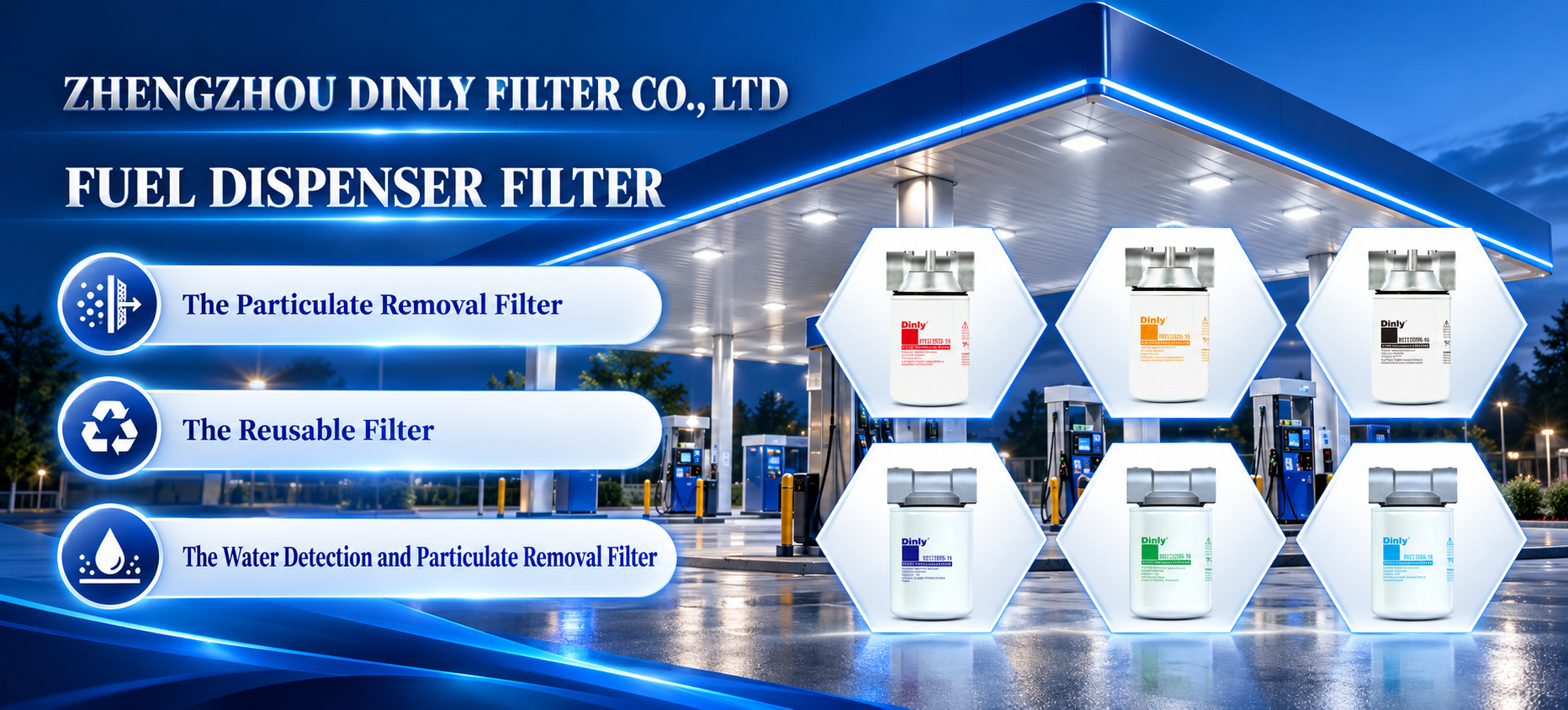
The fuel dispenser filter is the last line of defense between the underground storage tank and the customer's fuel tank. Every liter of gasoline, diesel, or ethanol blend fuel passes through it before reaching the fuel gun - therefore, clogged, non compliant, or low-quality filters can slow down pumping flow, waste electricity, and allow impurities, rust, and moisture to damage the fuel dispenser gauge, pump, and vehicle injectors.
What is the function of the fuel distributor filter element?
The filter can intercept solid pollutants such as rust, sand, scale, welding debris, as well as free water accumulated in the tank in the water blocking variant. If not filtered, these pollutants can cause pump seal wear, metering mechanism jamming, and lead to customer complaints. Ensure that the oil quality meets the standard to ensure the normal operation of the engine, reduce engine failures, and thus extend the service life of the engine. A clean filter can ensure stable oil flow, accelerate refueling speed, reduce customer waiting time, and also lower maintenance costs, reduce the failure rate of refueling machines, and reduce repair costs and downtime.
In summary, accurately determining the replacement cycle of filters in the fuel distributor and regularly replacing new filters is an important measure to ensure the normal operation of the fuel distributor and fuel quality. Gas station staff should promptly inspect and replace filters based on actual working conditions and filter usage to ensure the stable operation of fuel distributors and improve the efficiency of fuel dispensers.